Table Of Content
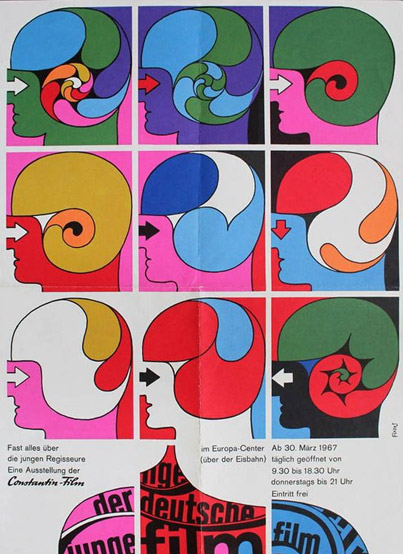
Read on to learn about some of the retro styles of the decade, and how you can recreate them in Vectornator. He aspired for a new kind of magazine art that goes against traditional printing and design methods. In his work, he wanted to reflect and represent the changing landscape of London during his time. He believes that taking inspiration from the current climate can help shape you as a designer.

Send me tips, trends, freebies, updates & offers.
Studies conducted in the mid-1970s revealed that the Coca-Cola symbol was recognised by more people worldwide than even major religious symbols. The ribbon logo surpassed the Christian cross in international brand awareness. Other notable designs from the decade include the rainbow-striped beaver for the 1976 Vancouver Olympics and adverts from Apple, such as the Introducing Apple II advertisement from 1977. Even though the colors were bright, they were chosen to go well together, although some color choices pushed the barriers. Graphic design in the 1950s and 1960s often featured cartoons and illustrations.
Design Flashback: 13 delicious posters from the 1970s
Fashion also took a wild turn, from flared jeans and retro prints to glittery disco flair. Graphic designers imprinted t-shirt designs with iron-on transfers, adding a new canvas for self-expression. As the punk rock movement gained momentum, ransom-note collages and gritty zines spread the anti-establishment message through bold DIY graphics. As we conclude our journey through the vibrant and innovative world of 1970s logos, it becomes evident that this era left an indelible mark on branding. The interplay of culture, design elements, and storytelling has continued to shape how we perceive and interact with logos in the modern age. In the 1970s, as IBM established itself as a leading technology innovator, it adopted the iconic striped logo design it is now famous for.
The 1950's Graphic Design Style
With these elements, he managed to create stunning visual identities that earned him his reputation in graphic design. He is also known for creating an influential public signage system that utilised a simple stick figure graphic. Design elements of this system are still widely used today and remain influential in the field of graphic design. Throughout the 1970s, design mirrored a rapidly changing society and actively shaped the era's culture and politics. The bold, aggressive aesthetics in much activist graphic design starkly contrasted with the polished advertising imagery of the 1960s. For many designers, their work became an act of protest, challenging traditional hierarchies and giving voice to marginalised groups through impactful visual communication.
Marco Valmory Groovy Font (OTF, TTF, WOFF)
This nostalgic branding establishes an emotional connection with consumers by reminding them of beloved childhood brands. Beyond the “I ♥ NY” logo, Glaser's work in the 1960s and 70s also impacted graphic design. He utilised bold colours, inventive illustrations, and elements of psychedelia to create posters, magazine covers, and advertising campaigns that captured the visual zeitgeist of the era. Similarly, the stylised illustrations and sexualised imagery of disco album covers captured the scene's emphasis on freedom, dancing, and sexuality. Brights and bold primaries also came into vogue, with logos featuring crisp, saturated red, blue, and yellow versions. These loud, attention-grabbing colours aligned with the bold, psychedelic aesthetic of the decade.
Milton Glaser: The Man Behind the “I ♥ NY” Logo
Those who grew up with smartphones may find it difficult to imagine how life was in the 1970s. To put it into perspective, the internet was decades away from commercialization, and the dot com boom and “modern” technology were just beginning to bubble to the surface. This serif font mixed with evocative swashes and ligatures will take you right back to the 70s style. This font has an extensive library of characters and options to experiment with. With over 270 discretionary ligatures, you'll be sure to find something that works. We're a creative branding agency dedicated to helping businesses like yours build and grow strong, memorable brands.
How to Design a Revolution? Unveiling Chilean Design and Industrial Aesthetics in the 70s - Pontificia Universidad Católica de Chile
How to Design a Revolution? Unveiling Chilean Design and Industrial Aesthetics in the 70s.
Posted: Thu, 12 Oct 2023 07:00:00 GMT [source]
Iconic 1970s Logos
The era's bold aesthetic continues to influence artists and designers today. A decade defined by bright colors, fluid patterns and LSD-inspired psychedelia, the 1960s were a massive turning point for graphic design. The influence of Pop Art on 70s graphic design helped to create a visual language that was both accessible and playful. By incorporating minimalism and negative space into your designs, you can create a sense of balance and simplicity that contrasts with the more bold and vibrant elements of 70s graphic design. Experiment with simple color schemes, geometric shapes, whitespace, and subtle typography to achieve this look.
Other designers like Halston and Yves Saint Laurent also embraced bold colours, prints and shapes in defining 70s style. The influence of 1970s logos continues in contemporary branding and design. Many modern companies draw direct inspiration from the visual style, design elements, and principles that defined the 1970s era. In these diverse ways, logo design in the 1970s fused functionality and aesthetics to capture both the pragmatic spirit and aspirational visions of the times. The logos of the era demonstrated how graphic symbols could communicate on levels beyond the literal to become signifiers of corporate and cultural identity. This impressive brand recognition was a testament to the power of the redesigned logo and bottle.
This abstract design trend will be back as an important style technique used by designers for magazines and in plenty of marketing, packaging, and inspired designs. The artists ditched muted earthly palettes and started integrating bright colors as a sign of rebellion. The use of color was a sign to break free from the old traditions and create a whole new style. These trippy patterns appeared in the wallpapers, upholstery, and lampshades of ‘70s homes. But pattern was also huge in graphic design, and was often used as backgrounds in posters or to fill in simple motifs.
Now Anyone Can Own NASA's Fabled 1970s Graphics Manual - WIRED
Now Anyone Can Own NASA's Fabled 1970s Graphics Manual.
Posted: Mon, 18 Apr 2016 07:00:00 GMT [source]
While newspapers and magazines worked to make themselves more austere and minimalist, the ads going in them did the opposite. Advertising and marketing collateral went wild, either boasting vivid colors in Funkadelic color schemes or patterns or using simple black and white. If you're looking to bring some of the 70s graphic design flair into your own work, consider experimenting with photomontage and collage techniques. By layering images, playing with juxtaposition, and embracing a handmade aesthetic, you can create visually engaging and thought-provoking designs that capture the spirit of the era. Within the ever-evolving industry, retro design is a timeless trend that continues to come back. The way it holds the emotions of people, allowing them to have a connection with the design, is pure nostalgia.
This artisanal approach aligned with counterculture DIY values and emphasised individuality. Music was a major cultural force in the 1970s, shaping fashion, art, and politics. New genres like psychedelic rock, disco, and funk took centre stage, each with its distinct sound and visual aesthetic. Using those cues, this design incorporates the color palette, fonts and weathered feel of a product from that era. Express yourself with a custom 70s design created just for you by a professional designer. We’ve collected some amazing examples of 1970s images from our global community of designers.
Phototypesetting is an old method of setting type that uses a photographic process to generate columns of type on a scroll of photographic paper. Although this method was eventually replaced by computer software, it was revolutionary for graphic designers in the ‘70s. In this era, close-up faces of people declaring their devotion to a product became the norm. Collages were also widely-used together with eye-catching typography.




No comments:
Post a Comment