Table Of Content
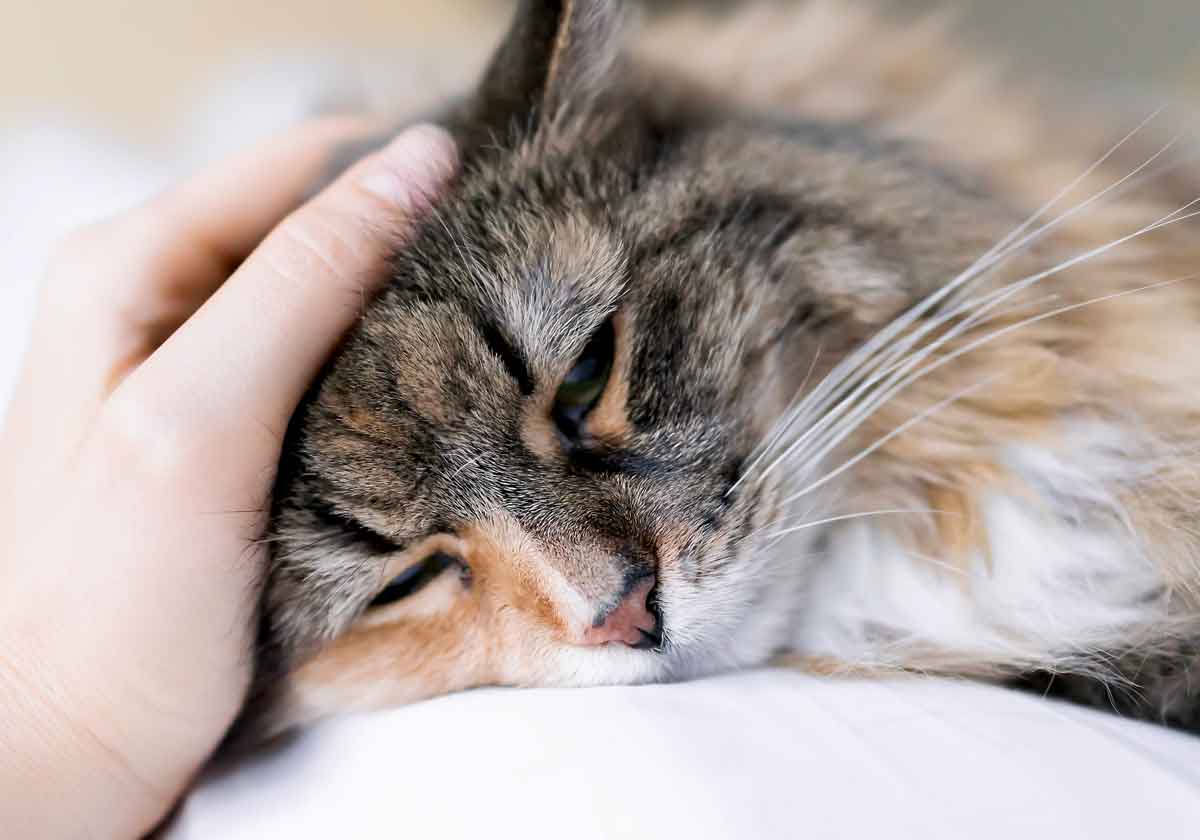
The only visible signs may be bald patches (alopecia) or secondary infection with multiple small scabs which can occur anywhere but are often found along the back or around the base of the tail. You may also notice an increase in vomiting or hairballs due to the excessive ingestion of fur. Sometimes feline hair loss is benign and temporary.There are also transient reasons for hair loss. Just like people go through stages where they lose more hair, cats do too. Cats that are sick or stressed for other reasons (illness, fevers, respiratory infections1, pregnancy, etc.) can shed excessively.
Hair loss in cats: identifying and solving the problem!
Additionally, some cats shed more at certain times of the year, generally in the spring and summer, as temperatures warm up. With seasonal shedding, your cat might lose more hair than she does at other times of the year. If, at the end of their investigation, there’s still no obvious reason for the feline alopecia, your vet may refer you to a veterinary dermatologist. You might also find that your pregnant or lactating cat loses their hair due to the changes in their hormones during this time, but don’t be too alarmed as fur should eventually grow back overtime. Conditions such as dermatitis, psoriasis, and seborrhea can be a reason of a cat with hair loss.
Treating Fleas that Lead to Over-Grooming
If cats feel muscle or joint pain under their skin, they may lick the area to try and ease the pain. Hair loss or skin irritation may occur when this behavior is done in excess. Alopecia can be caused by a number of underlying medical conditions. Feline alopecia or hair loss is the partial or complete absence of hair in areas of the body where hair is expected to be.
A Clinical Approach to Alopecia in Cats
This distinction can help to focus the diagnostic approach in your cat’s case. In these cases, the answer may be found through skin scrapings, cytology, cultures or allergy testing; and appropriate therapy can result in hair re-growth. Feline acquired symmetric alopecia (formerly called feline endocrine alopecia) is a syndrome that describes hair loss on both side of a cat's body that occurs due to an underlying disease. In cats that do not have an obvious flea infestation, your veterinarian may perform blood tests. Your veterinarian may also recommend a trial of flea control treatments to see if improvement is seen.
These categories can help focus the initial diagnostic approach and decrease the number of potential differentials (FIGURE 1). Some of the conditions that cause alopecia are serious and can make your cat miserable. Even the slightest change in their environment can cause stress in cats that can lead to physical changes.

Psychogenic Alopecia
They may take samples from the skin's surface to look for infections under a microscope. Ringworm is actually a fungus that affects the skin, hair, and sometimes the claws, which is called dermatophytosis. It is a zoonosis, which means that people can contract it from animals through direct contact or environmental contamination. Some animals have very mild or no signs, while others can have a thickened patch of skin with hair loss that can be round in shape. Areas usually affected are skin on the head, chest, front legs, and along the back. Recovery time for cats with alopecia depends on the underlying cause, and it may take weeks to several months.
Zumalka Pet Supplement Review 2024: A Detailed Look
The treatment for alopecia in cats will depend on the cause of the cat’s hair loss. Once your vet has results from any tests, they will be able to identify the right course of action. While you may read about home remedies for cats with alopecia on the internet, we recommend discussing those treatments with your vet first. When a cat shows signs of hair loss, the first condition that needs to be ruled out is external parasite infections. The presence of fleas, ticks, or lice can cause severe inflammation of the skin leading to extreme discomfort and pruritus (itchiness) in cats.
The 5 Best Flea Treatments for Cats of 2024, According to Veterinarians - Business Insider
The 5 Best Flea Treatments for Cats of 2024, According to Veterinarians.
Posted: Tue, 02 Apr 2024 07:00:00 GMT [source]
In a recent study, only 2 of 21 cats presented for evaluation of “psychogenic alopecia” were found to have a behavioral disorder as their only problem. As the most common endocrine disorder that older felines experience, hyperthyroidism is a leading cause of feline hair loss. Cats with this disease usually lose hair in patches, and they may shed excessively.
Your veterinarian can monitor your cat and address potential issues right away. There are also calming food options on the market by brands such as Royal Canin or Science Diet that might help. If further therapy is needed, talk to your vet about putting your cat on an anti-anxiety medication, such as Fluoxetine or Paroxetine. Over time, this displacement behavior can become independent of the initial stressor and eventually become compulsive in nature. The hair loss occurs only in places that can be reached by the cat’s tongue; secondary skin changes, such as redness or bumps, are rarely evident. Jackie Brown is a senior content editor on the cats.com editorial team.
Ringworm is a fungal infection that typically causes hair loss in cats. These are often caused by food, airborne particles, or bites from fleas or mosquitos. This could be from bacterial or fungal infections, causing your cat to lose hair in the affected areas. Sometimes, infections may even be caused by your cat licking their skin until there is an open wound, which can then become infected, making hair loss even worse. Your vet might also take hair samples or scrape a little sample of skin to test for ringworm and parasites – don’t worry, this is completely painless.
In severe cases, cat fur may become brittle and break off in clumps. Most of the time, your cat’s hair loss is a sign of an underlying issue, skin parasites, allergic skin disease, pain, medical condition, stress, and more. Once that issue is identified, it can be treated, and you can have a healthy, fluffy cat in no time. Consult with your vet as soon as you notice any skin changes or hair loss in your feline and before the signs get worse so your cat can receive adequate treatment. The good news is that often, hair loss in cats is perfectly natural.
This will help keep cat skin healthy which in turn will promote cat hair regrowth. By providing a comfortable home, plenty of love, and the right cat products, your cat’s hair will soon grow back. Common topical treatments include shampoos, lotions, and sprays that soothe the cat’s irritated skin and provide essential nutrients to help the cat’s coat grow back. Identifying and avoiding the allergen that triggers your cat’s allergic reactions is key to preventing hair loss.
Concurrently, topical treatments may be prescribed to alleviate any skin inflammation. Cats can develop allergies to certain foods, environmental factors (such as pollen or dust mites), or substances they come into contact with (like certain fabrics or cleaning products). The allergic reaction can manifest as dermatitis, leading to itching, inflammation, and hair loss. Ultimately, cat hair does usually grow back when the underlying cause has been addressed and it is important to take good care of your cat’s coat by regularly brushing and grooming.
In some cases, cat owners may also need to make changes to their cat’s diet or environment in order to address the underlying cause of the cat’s hair loss. The first step is to identify the cause of the cat’s hair loss, which could be due to an underlying medical condition, parasites, allergies, or external factors such as stress. Once the vet has identified the cause of your cat’s hair loss, they can recommend treatments and medications to help your cat recover.